Review: The Last Man at Southwark Playhouse Elephant
⭐⭐⭐⭐ (Four Stars)
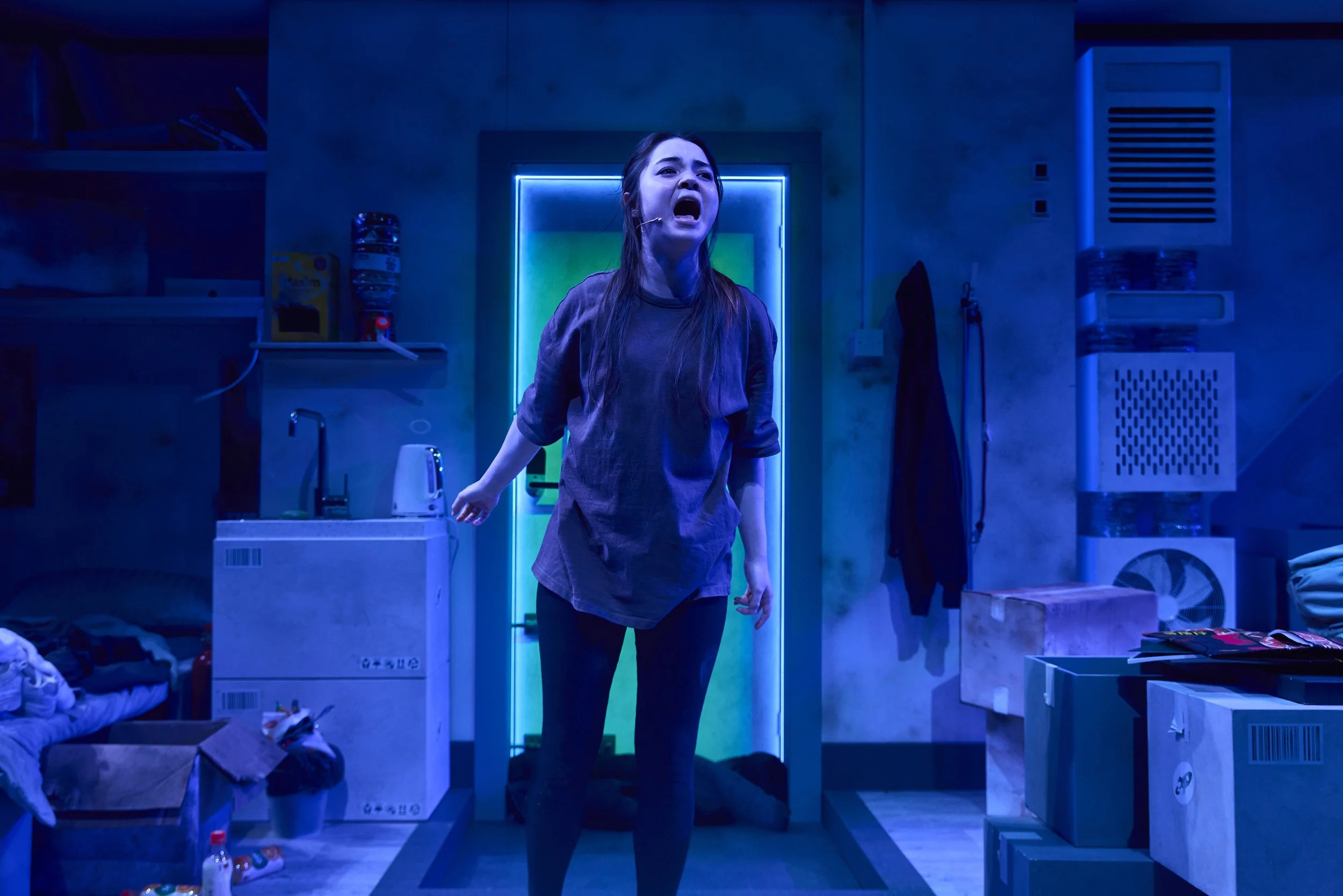
In its English language premiere at Southwark Playhouse Elephant, Korean one-person musical The Last Man explores the experience of isolation amidst a zombie apocalypse. Alone in a Seoul basement flat transformed into Bunker 103 (designed by Shankho Chaudhuri), The Survivor (played at alternate performances across the run by Lex Lee and Nabi Brown, with Lee performing at the show I attended) struggles to hold on to their humanity despite having no contact with the outside world. With memories of the Covid-19 pandemic still fresh in audiences’ memories and the possibility of future lockdowns again making headlines, much of The Survivor’s plight feels relatable. However, the production also incorporates unexpected twists and a tongue-in-cheek sense of humour into its zombie narrative, with Jishik Kim’s book featuring witty references to blockbuster zombie films and tropes of the genre.
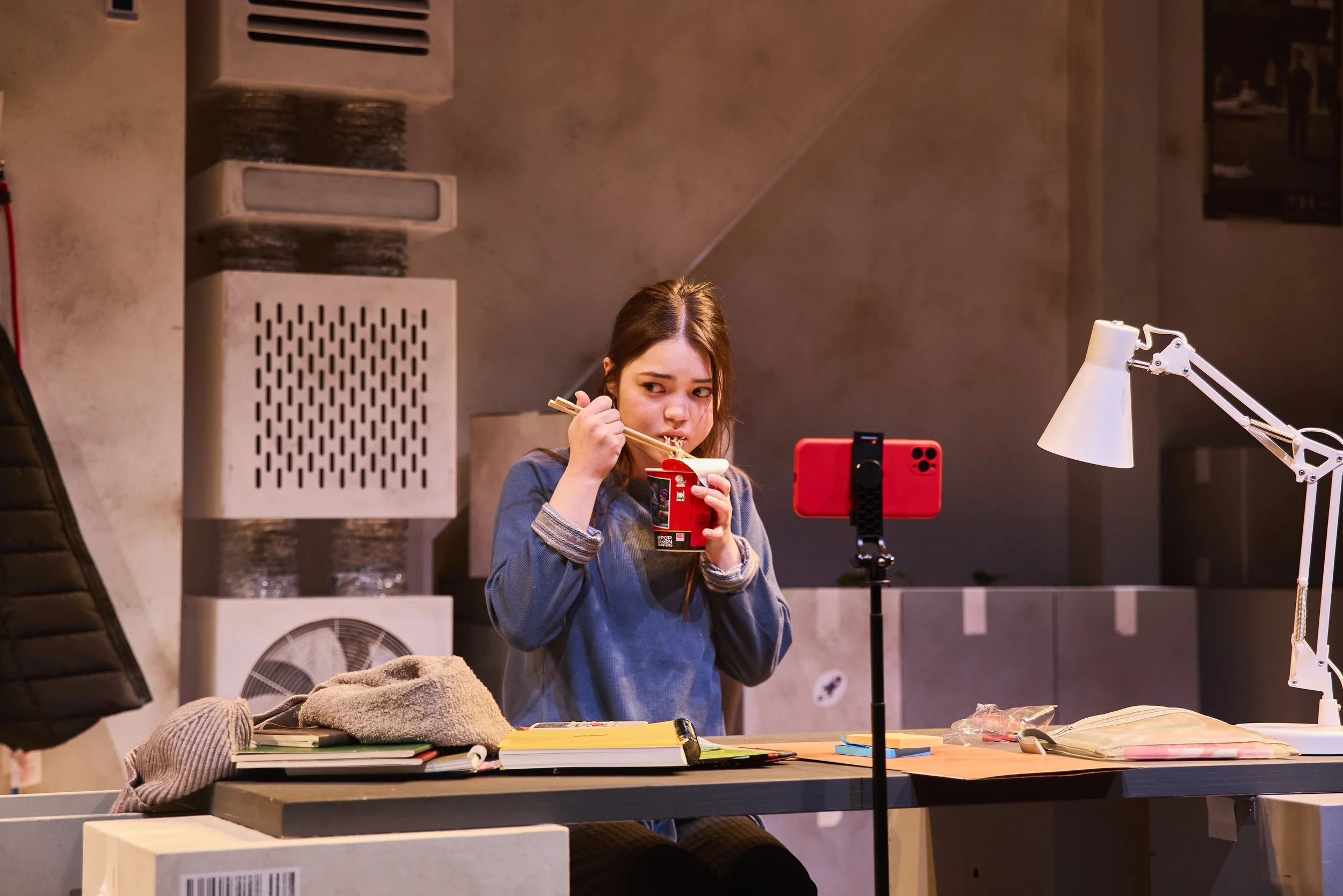
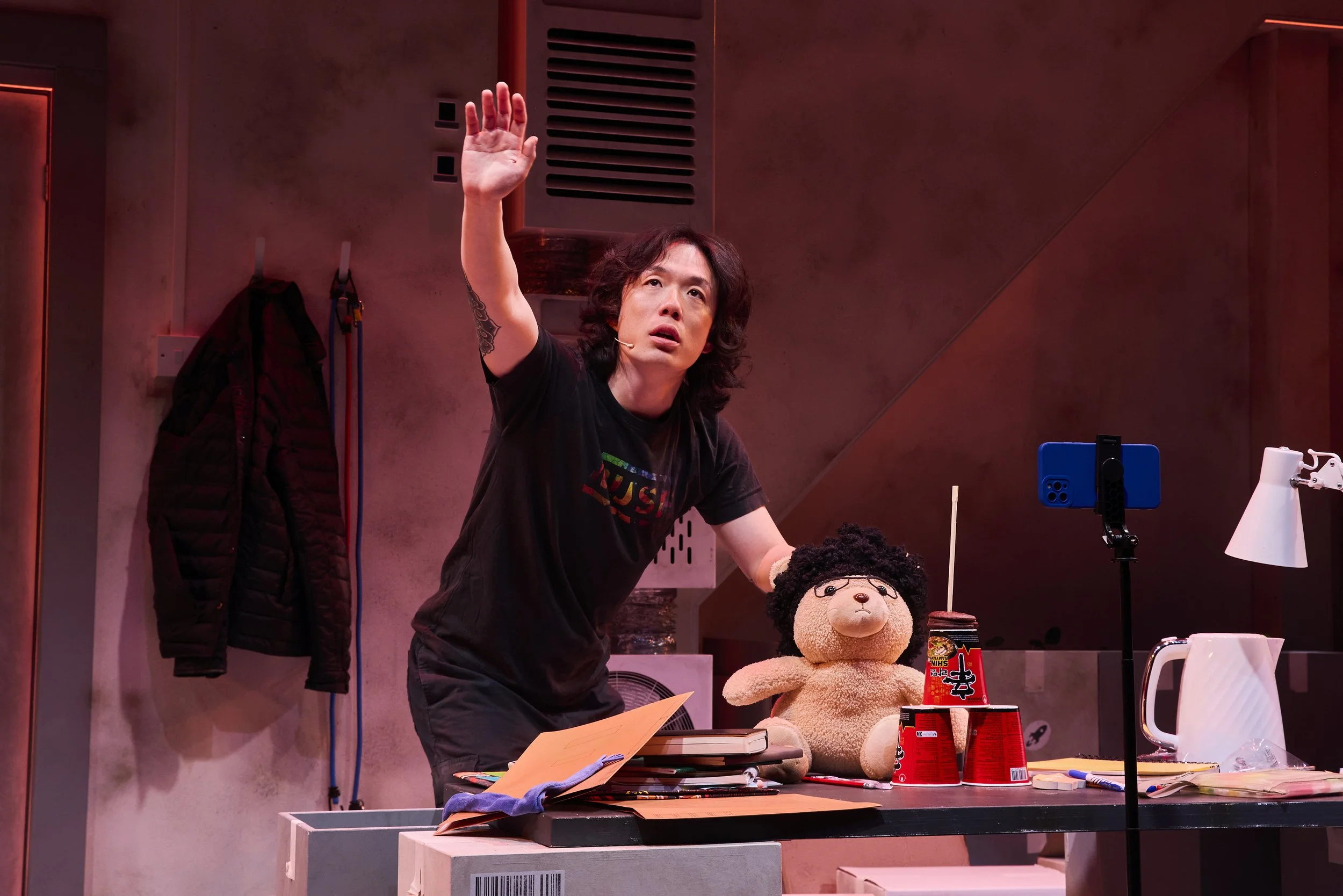
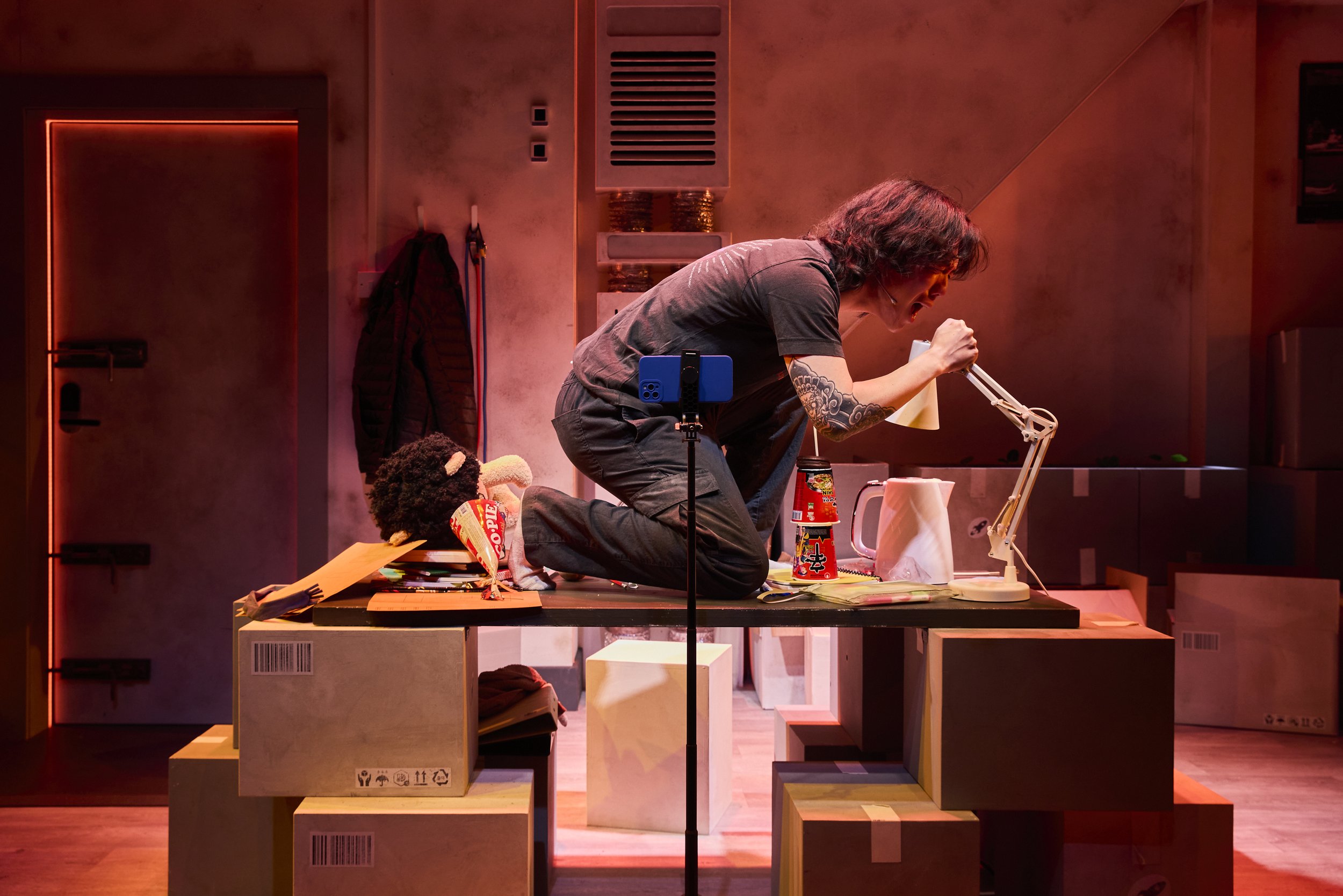
Directed by Daljung Kim, The Last Man follows The Survivor over 200 days in isolation in the bunker. Initially, we are introduced to the character’s more light-hearted side as they set up a tripod and iPhone to record their experience for any other survivors who might be out there. Not only does this provide a useful reason for the character to speak aloud without scene partners, but it also helps the audience get to know them while allowing updates on how many days have passed. This live recording is broadcast to screens above the stage. However, at the performance I attended there were unfortunately some technical difficulties which resulted in the livestream freezing frequently throughout the show. Surviving off stockpiled non-perishables, the character reaches the 100-day mark and discovers a new companion in the form of a teddy bear from their childhood which they attempt to converse with. But as we enter the second act, the musical takes a darker turn. Resources in the bunker begin to run low and The Survivor is forced to confront the terrifying possibility of venturing outside.
Keeping an audience engaged throughout a one-person show is no mean feat, but Lex Lee makes it look effortless. Lee’s portrayal of The Survivor is initially charming and funny, particularly during an early sequence in which the character records themself on their phone while pretending to be a news presenter reporting from the bunker. Interviewing themself in different voices, Lee demonstrates the comedic side of the character which contrasts effectively with the desperation and fear that emerge later in the production as resources in the bunker begin to run low.
Jishik Kim’s book incorporates Korean language and references to Korean culture while still contextualising these moments for an English-speaking audience, ensuring Korean-speakers and non-Korean-speakers alike can enjoy them. The adaptation from Korean to English has no doubt also benefited from the work of Jethro Compton as dramaturg on the production. The lyrics, also written by Kim, are often used effectively to convey the character’s loneliness and state of mind, with lines such as “air purification isn’t great at communication” standing out in particular. However, at certain points - especially during the opening number - the music by Seungyeon Kwon, which ranges from emotional ballads to angsty rock songs, occasionally overpowers the vocals and makes some lyrics difficult to distinguish. This could likely be improved through adjustments to the sound mix.
Overall, The Last Man is an intriguing musical with an ambitious premise. It is easy to see why the show proved so popular with Korean audiences, and there is plenty here for both musical theatre fans and zombie-apocalypse enthusiasts to enjoy.
The Last Man runs at Southwark Playhouse Elephant until 13th June 2026.
Photos by Rich Lakos