Review: Panacea at Riverside Studios
⭐⭐ (Two Stars)
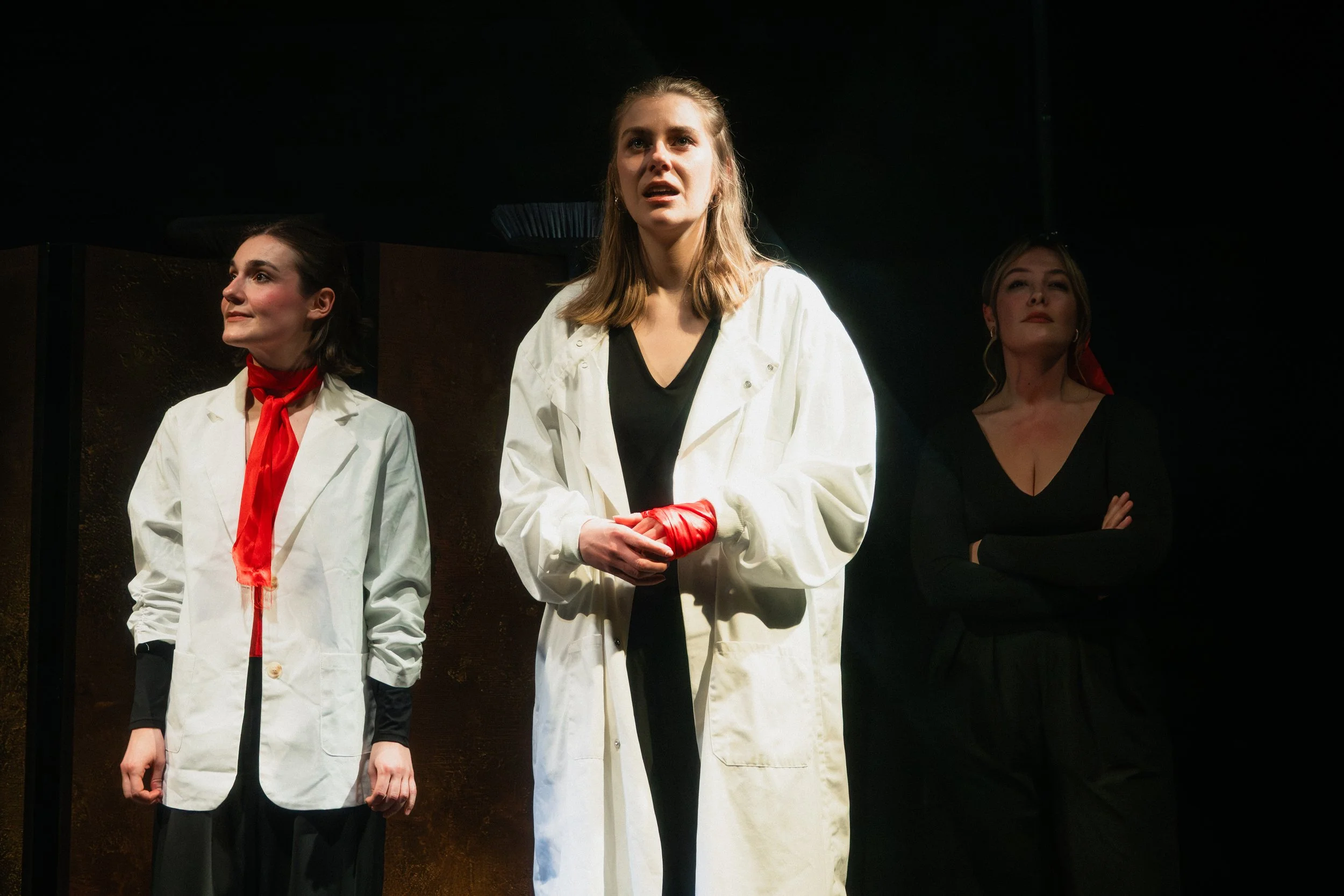
Panacea, a play co-written by microbiologist Andrew Singer and theatre-maker Christina James (who also directs), centres around scientific researcher Professor Gus Jamieson (Will Batty) as he develops an innovative new infectious vaccine. Between sessions with his therapist, Marti (Emily Wallace), to help him navigate his ASD, and experiencing his first romantic relationship with psychologist Julia (Marianne James), Gus faces the complicated politics of academia. These tensions are intensified by his strained relationship with colleague Chris (Charlie Culley), as well as by his new nepo-baby PhD student, Sophia (Nina Fidderman), who speeds up the development of the vaccine by securing large-scale investment through her wealthy father’s connections. It’s an interesting and ambitious subject matter that is rich in potential, with plenty of ethical dilemmas to explore. However, Panacea doesn’t quite manage to translate this idea into a compelling theatrical production.
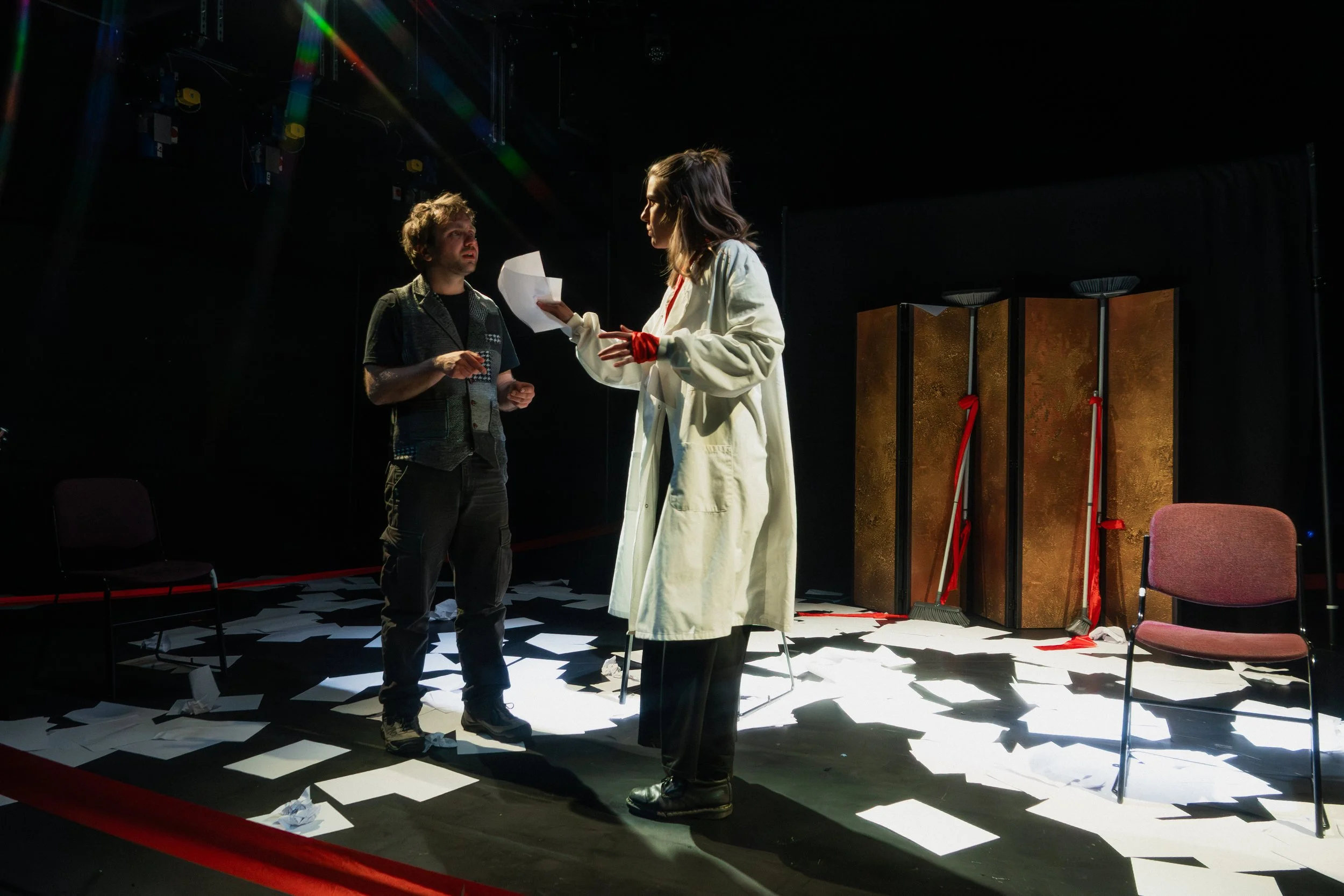
There’s much to commend about Panacea, not least its ambition to bring science to the stage. Singer and James ensure that the scientific terms audience members might not be familiar with are explained and defined, making the piece more accessible. James’ direction also makes some bold choices that can be very effective, such as when Gus shares his inner monologue by speaking directly to the audience. Minimal props are used throughout the play and, instead of electronic devices appearing on stage, whenever a character receives a text or email another cast member enters with a white piece of paper and hands it to them. Over time, the ground becomes filled with scrunched-up and ripped paper, creating a powerful visual.
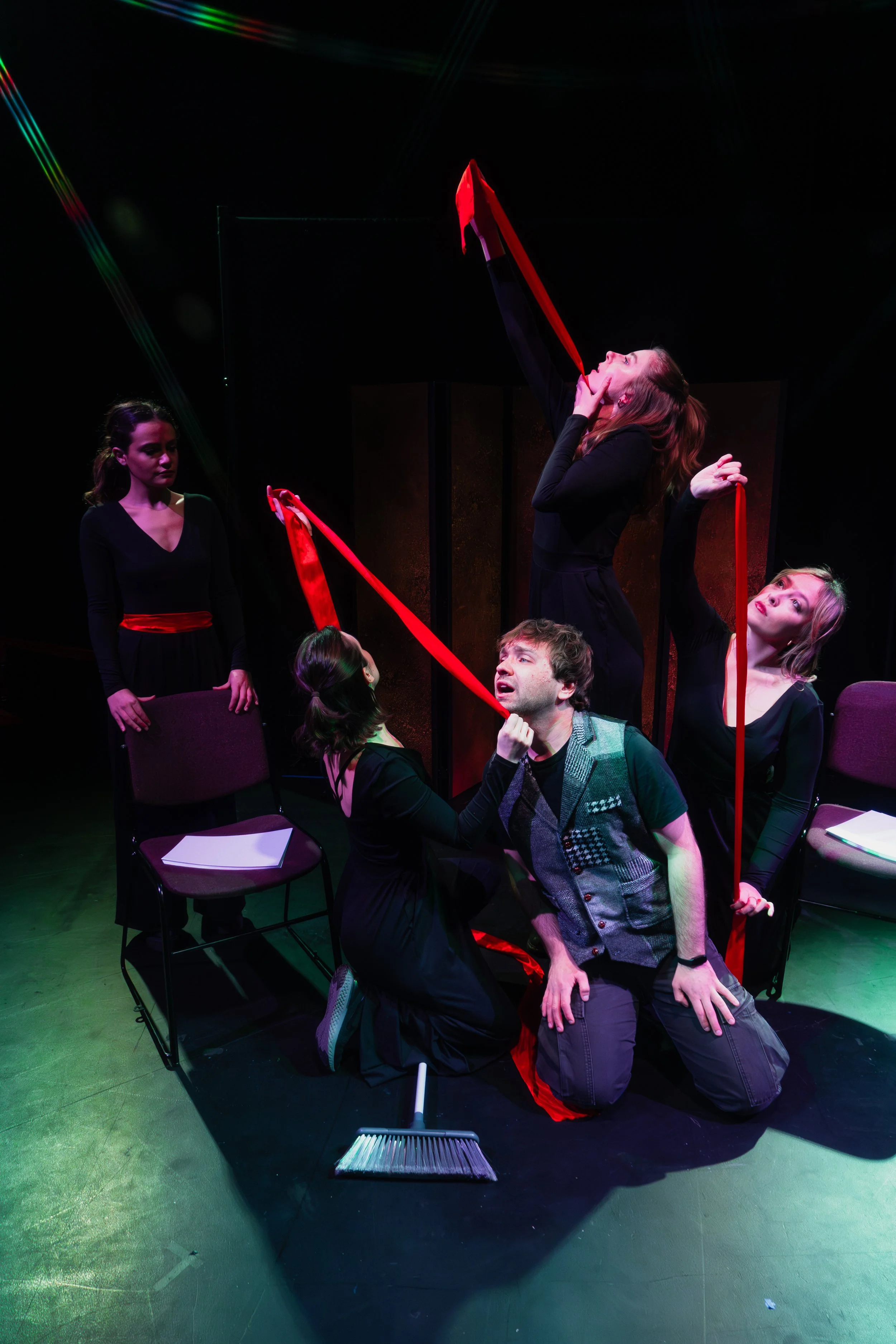
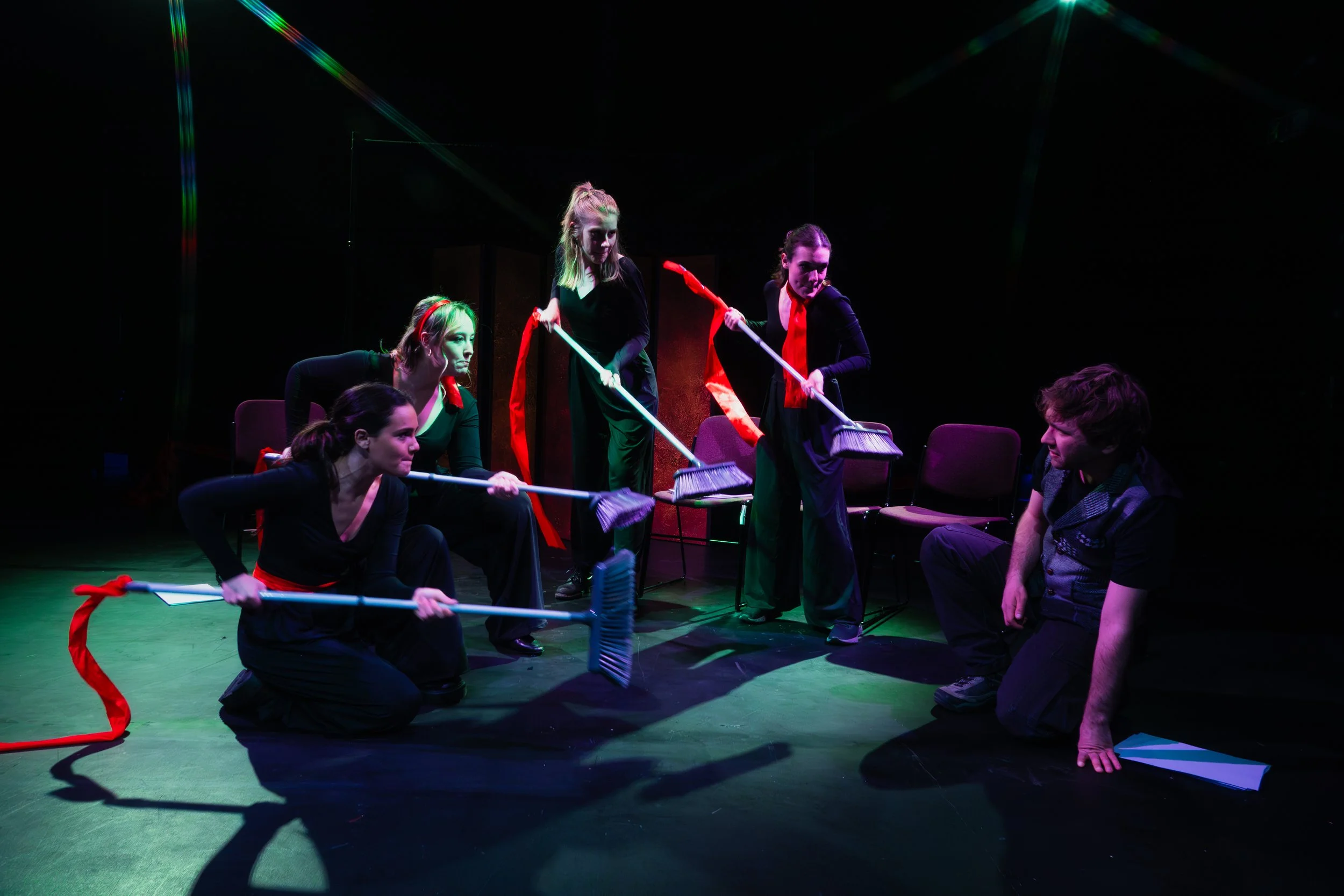
However, there is also quite a lot of unnecessarily heavy-handed symbolism throughout the piece, such as red ribbons being tied around cast members, the playing space, and the props on stage to represent the oft-mentioned “red tape” Gus encounters when trying to develop the vaccine. Similarly, we repeatedly hear remixed versions of Swan Lake to reference the Black Swan effect (an unpredictable event with severe consequences) that Gus is warned about throughout the play. Each of these examples might have made a satisfying Easter egg had they not been so frequently used.
Despite the best efforts of the cast, the dialogue of the play at times feels somewhat forced and unnatural. There are also several interludes of poetry dramatically performed by the ensemble, featuring a lot of repetition and heavy breathing, which interrupt the flow of the play rather than adding to it. Additionally, the choice to include Gus’ cat, Mr Tickles, as a speaking character - played by a human who alternately gives him sage life and romantic advice and meows to karaoke songs with him - leads to some uncomfortable-to-watch moments of petting and purring.
Overall, Panacea has a thought-provoking idea at its core and makes some bold creative choices. However, many of these choices do not land, meaning the play’s full potential is not realised.
Panacea runs at Riverside Studios until 21st March 2026.
Photos by Andrew Singer